
JCESC Family Support Specialist makes 1,000th home visit
Trending
STEUBENVILLE - Families in crisis are learning they have a valuable advocate in the Jefferson County Educational Service Center Family Support Specialist program, now marking it's 1000th home visit.
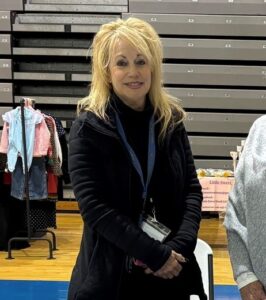
Family Support Specialist Mary Kakascik said the grant-funded program has snowballed since its inception and will start its third year July 1.
"To hit 1,000 before the end of Year Two is pretty good," she said.
This has marked the first time the Family and Children First Council communities in the area used a family support specialist position. The new initiative started out slow but proved itself through results. Kakascik noted she has closed about 60 cases and is currently working on 40. She said there are sometimes 70 visits in a month.
The support specialist covers Belmont, Jefferson, Harrison, Monroe, Guernsey, Noble, Tuscarawas, Carroll, Muskingum and Coshocton Counties. Typically, referrals come from agencies such as the Family and Children First Council, Children's Services, the juvenile justice system, early intervention and boards of developmental disabilities. The program also gets referrals from the community and self-referrals from families. The initiative now receives about one referral per week.
Kakascik herself was an FCFC coordinator and has 13 years of experience helping families. She saw the strengths of the family support specialist post, particularly in support for parents.
The mother of a child with special needs, Kakascik knows other parents can feel isolated and want the help of someone who understands their child's challenges.
The program takes a boots-on-the-ground approach, reaching out immediately to learn more about the family's needs. These range from helping to navigate Social Security applications and working with Departments of Job and Family Services to seeking prevention and retention funding and helping fill out kinship papers, to picking up food at food pantries for families so they can stretch their SNAP benefits.
Services extend to helping them fill out enrollment forms for schools. Another service is setting up transportation since many parents in rural areas do not have ready access. Medical transportation, for example, can be arranged through managed care organizations. Kakascik said assistance with housing applications is another common request.
"It is individually tailored to whatever the family needs."
Kakascik underlined the program's flexibility, which allows her to work with families at their convenience. There are no thresholds for participation and the clients have control. Some of the families have specific goals in mind while others are at risk and facing crisis such as homelessness or medical issues.
Participating families can expect a weekly check-up at least.
Another strength is the power of shared experience in establishing a rapport with families raising a child with special needs.
"I do understand what it's like to feel overwhelmed and isolated and to have to go find things that don't necessarily fit with your child," Kakascik said. "I share what's worked with my child, and we discuss that."
This insight is valuable when meeting with educators and service providers to craft an individualized education program.
"I wish I had somebody like me when my child was young, because I had to find services, because in small towns there's not. A lot of times, you have to travel to find services."
She also helps secure funds for their children to attend summer camps. Other assistance includes arranging a summer lunch program or helping them participate in Toys for Tots around Christmas.
She added parents often need to be reminded not to neglect their own self-care.
Kakascik expects the caseload to only increase. She noted the rise of autism diagnoses during the last 20 years.
"The need is there for a lot of parents."
Dr. Nicole McDonald, Director of Grants with JCESC, said the results speak for themselves with the many successes of the family support specialist initiative.
"From helping families keep their homes to supporting students in finding success at school, the impact of this program is both immediate and long-lasting. The Family Support Specialist program is changing lives by meeting families where they are and helping them overcome real, everyday barriers," she said. "This program doesn't just connect families to services, it walks alongside them every step of the way."
She added families that once felt overwhelmed are now stable, supported, and hopeful for the future. Students are improving academically and finding new confidence and belonging.
"It's a lifeline for families navigating complex systems and difficult circumstances," she said. "Families are staying housed, students are succeeding, and lives are being transformed." More information can be found at https://www.jcesc.k12.oh.us/FamilySupportSpecialist.aspx or by calling 740.283.3347, choosing zero and asking for the Family Support Specialist. Anyone wishing to make a referral should email FSS@jcesc.org.