
Trending
The Ohio Valley is known for its stable industries, strong work ethic, and tightly connected communities. The advent of new tools and technologies is bringing about a shift in the way the community operates. As machines take over monotonous jobs that people previously completed, workers in the area witness changes in industries and workplaces.
This change is highlighting the ways in which businesses can use smart tools to improve employee strength and operational efficiency. AI is transforming the way that work is done. It predicts equipment maintenance in production. It expedites deliveries and tracks commodities in logistics. Chatbots in customer support take care of routine duties so that employees can concentrate on more complex problems. For example, when playing online casinos for real money, players might have questions about promotions or how a particular game works. Chatbots can provide automated responses to the most common questions like these, meaning fewer employees are needed – and AI bots can provide this service 24/7. These technologies demonstrate how intelligent tools reduce delays and increase output.
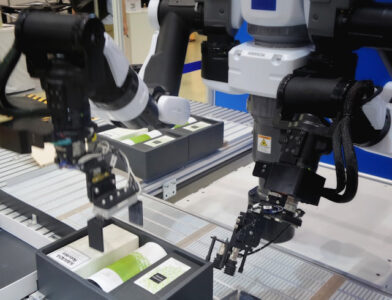
Manufacturing remains the backbone of many towns. Historically, long hours of manual effort were required for welding and packaging. These days, machines perform those chores precisely, and the focus of human labor shifts to equipment maintenance, troubleshooting, and quality control.
Technical competence is more important than ever for that kind of work. A person who can frequently reset a robotic arm or calibrate a sensor makes more money than someone who performs manual sorting. Job descriptions are changing. Employers now require both mechanical expertise and a mindset open to learning new systems.
Energy and infrastructure projects provide another angle on transformation. An old power plant site near Steubenville is being considered as a base for heavy-industry operations with strong energy needs. That means plumbers, electricians, line workers, and engineers have steady work. Fiber-optic cables are being installed, and roads are being improved to accommodate these advancements. Setting up sensors, monitoring energy consumption, or utilizing on-site computerized equipment are examples of practical skills required for construction jobs that intersect with contemporary technology.
The Valley has seen the opening of data centers thanks to tax advantages. These sizable, secure locations require technicians for servers, fire safety, and cooling. Those with experience in network or HVAC are hired. They require specialized skills and pay well, but they hire fewer people than old factories. When locals adapt to these roles, their demand increases.
Humans and robotic welders collaborate in metal shops to boost output without compromising quality. The system is now programmed and maintained by technicians, and maintenance teams utilize tablets to identify and resolve issues quickly. Experienced workers can keep their value without changing careers or moving, thanks to this combination of technology and hands-on work.
Warehouse jobs involve scanning items with handheld devices linked to central servers. Cleaning crews often use machines that automatically measure chemicals and signal for refills when needed. That automation does not remove jobs here. Instead, it raises the demand for tech literacy and a problem-solving approach that values both tools and tradition.
Community economic planners take note of this trend. They are seeking to establish training partnerships with local businesses. A plumber who is familiar with basic sensor systems or an electrician who can read data from smart meters has an advantage in hiring. Issues can be resolved more quickly by maintenance teams using mobile diagnostics rather than clipboards.
Employees acquire new, long-lasting skills, and employers save money. Local workers are more likely to be retained in factory towns that embrace this blend of the old and the new. If locals can enroll in training programs or earn new certifications nearby, they don’t need to relocate. When qualified talent lives nearby, employers don’t have to travel great distances to hire them.